Extensive Construction Services for Every Project
Extensive building support are crucial for the successful management of any construction initiative. They facilitate seamless integration across all phases, ensuring clear communication and teamwork among teams. This approach not only reduces delays but also improves adherence to financial and scheduling requirements. As interested parties seek higher quality outcomes, comprehending the different solutions available becomes increasingly vital. What specific elements support a project's achievement, and how can they be effectively implemented?
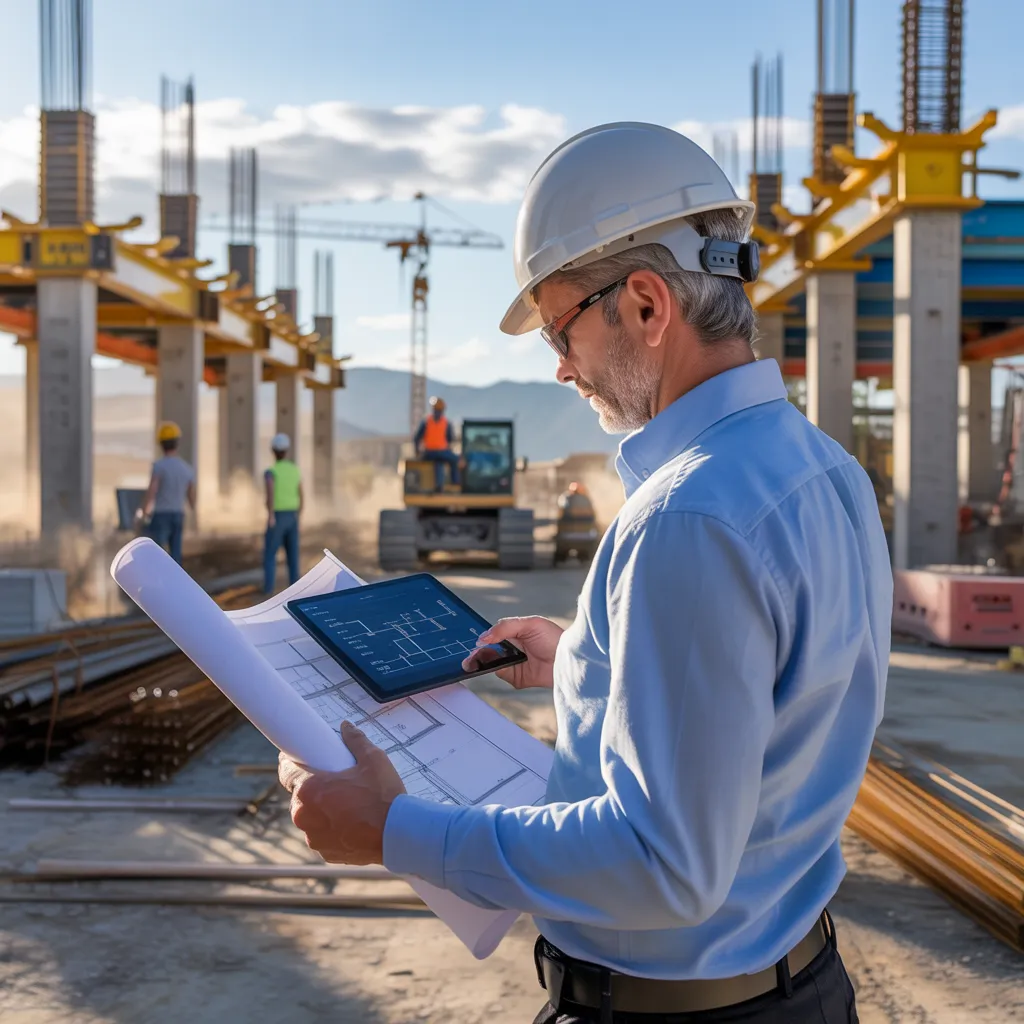
Why Full-Service Construction Services Are Significant
Thorough building solutions are essential because they optimize the building process, guaranteeing that all project phases are coordinated effectively. These services include a range of activities, including planning, design, and execution, which support the final outcome of a undertaking. By managing multiple groups and assets, comprehensive building solutions decrease the likelihood of confusion and setbacks.
In addition, they advance dedication to timelines and budgets, handling potential issues proactively. This extent of systematization encourages a collaborative environment, facilitating stakeholders to communicate openly and efficiently.
Additionally, comprehensive services ensure adherence with local regulations and safety standards, decreasing risks linked with construction activities. Overall, the integration of thorough construction services boosts project quality, leading to durable and sustainable outcomes. In an industry where precision matters, such services provide the necessary framework for achieving client satisfaction and meeting project goals.
Vital Home Building Services for Property Owners
Homeowners wanting to upgrade their living spaces can gain substantial advantages from vital construction services designed for their particular requirements. These services encompass a range of offerings, including remodeling, renovations, and repairs, which permit homeowners to change outdated areas into modern, functional spaces. Kitchen and bathroom remodels often produce substantial investment returns, improving both aesthetics and utility.
Moreover, outside maintenance like roof and wall repairs guarantee the home remains safe and attractive in appearance. Landscaping and outdoor living enhancements create inviting environments for leisure and social gatherings.
Homeowners can benefit from energy-efficient upgrades, which minimize utility costs while advancing sustainability. By engaging experienced contractors, homeowners can manage the complexities of construction projects with ease, ensuring adherence to local regulations and timelines. Overall, these key resources empower homeowners to realize their visions, ultimately increasing property value and quality of life.
Essential Solutions for Commercial Construction
The commercial construction industry relies upon skilled project handling and reliable material sourcing as important drivers. These offerings guarantee that projects are completed on time and within budget while maintaining high standards. Appreciating their importance can result in more successful construction outcomes.
Project Management Expertise
When managing the complexities of commercial construction, robust project management skills becomes crucial to secure timely completion and budget adherence. Proficient project managers hold a fundamental position in orchestrating multiple aspects of a construction project, such as scheduling, resource allocation, and stakeholder engagement among stakeholders. They employ state-of-the-art methodologies to control risks and adapt to surprising setbacks, maintaining that projects remain on track. Via leveraging modern technology and business intelligence, project managers can enhance decision-making processes, amplifying efficiency and productivity. Furthermore, their ability to foster partnerships among contractors, architects, and clients proves vital for aligning expectations and fulfilling objectives. In summary, strong project management expertise operates as the backbone of thriving commercial construction endeavors, moving projects from conception to completion with precision.
Quality Material Procurement
Quality material procurement is a critical element in the landscape of commercial construction, directly affecting project durability and overall success. Effective sourcing requires selecting high-quality materials that meet specific project requirements while conforming to budget constraints. This process often demands building strong relationships with reliable suppliers to guarantee prompt shipment and consistency in quality. Additionally, understanding local regulations and sustainability practices plays an essential role in sourcing decisions. By prioritizing quality materials, construction firms can enhance structural integrity and reduce long-term maintenance costs. Ultimately, a focus on quality material sourcing not only supports a project's immediate goals but also contributes to its durability and resilience in a competitive market.
Selecting the Top Construction Services for Your Project?
When opting for construction services, it is vital to establish project requirements precisely to ensure alignment with objectives. Assessing the proficiency of potential service providers further enhances the probability of a favorable outcome. Thorough review of these factors can result in a more productive and streamlined construction process.
Set Project Requirements in Clear Terms
Establishing project requirements explicitly is vital for selecting the most fitting building providers. This demands identifying concrete project objectives, schedules, budgets, and essential resources. A precisely defined project scope helps assure that all involved parties have a mutual understanding of expectations. Furthermore, outlining regulatory requirements or local conditions can prevent potential hold-ups and miscommunication during construction. By setting clear standards early in the process, construction leaders can effectively communicate their specific needs to potential service providers, making it possible for better informed choices. In the end, detailed record-keeping of project parameters not just makes selection easier but also creates a strong foundation for successful execution and lowers the risk of expensive changes in the future.
Review Service Provider Capabilities
How can construction leaders ensure they choose the most qualified building contractors? Evaluating the qualifications of prospective service providers is essential. This procedure begins with reviewing each contractor's portfolio, which displays previous work and relevant experience. Construction leaders should also confirm licenses, certifications, and insurance to confirm adherence with professional requirements. Gathering references and customer feedback can offer understanding into a provider's dependability and workmanship. Additionally, performing consultations allows construction leaders to assess interpersonal abilities and understanding of assignment requirements. Comparing bids not only on price but also on scale, schedules, and standards can further assist in selection. In the end, a comprehensive evaluation of contractor qualifications lays the foundation for effective project execution and fulfillment.
Optimizing Your Construction Project Efficiently
Achieving effectiveness in construction projects requires embracing a organized plan that decreases delays and enhances resource allocation. Effective communication among team members is essential, ensuring that everyone remains aligned with project goals and timelines. Using project management software can streamline workflows, permitting for real-time updates and task tracking.
Furthermore, implementing a staged methodology enables teams to focus on specific project segments, minimizing the likelihood of overlapping tasks that can result in confusion. Consistent progress assessments and adjustments derived from performance metrics assist in detecting possible obstacles promptly.
Establishing explicit roles and assignments encourages accountability, driving teams to meet deadlines without sacrificing quality. Furthermore, implementing preventative risk management prepares teams for unforeseen challenges, empowering swift responses that keep projects on track. By integrating these strategies, construction projects can achieve heightened efficiency, decreasing costs and enhancing overall outcomes.
Developing Your Construction Project to Be Sustainable and High-Quality
Leveraging sustainable practices in building not only elevates quality standards but also decreases ecological damage. By utilizing sustainable materials and approaches, construction firms can substantially reduce waste and energy consumption. This technique not only meets regulatory requirements but also draws in environmentally conscious patrons.
Employing renewable resources, such as bamboo or recycled metals, supports durability while reducing carbon footprints. Additionally, embracing energy-efficient technologies, like solar panels and advanced insulation, provides prolonged cost advantages and improved building performance.
Working with environmentally certified experts significantly enhances quality benchmarks, guaranteeing compliance with sustainability benchmarks.
Additionally, developing a waste management plan during the construction timeline can facilitate procedures, reducing costs and environmental harm.
Ultimately, a investment in sustainability in construction advances high-quality projects that align with both stakeholders and the community, passing down a legacy of sustainable building practices. Such focus not only elevates the reputation of construction firms but also promotes a healthier planet.
Often Common Questions
How Extended are the Average Schedules for Building Works?
Typical periods for construction projects vary widely, generally ranging from a few months to several years. Variables affecting duration include extent of project, level of difficulty, permit acquisition, weather conditions, and availability of workforce and materials, shaping overall delivery timeline.
How Do I Handle Unexpected Construction Setbacks?
To manage unexpected construction delays, one should assess the situation, communicate with stakeholders, adjust timelines, and investigate alternatives. Adaptability and forward-thinking strategies can mitigate impacts and keep the project on track despite challenges.
Which Clearances Do You Must Obtain for Construction Undertakings?
Multiple licenses are mandatory for construction projects, encompassing building, power, plumbing, and land use useful information permits. The specific conditions copyright on municipal rules, project scope, and site, demanding engagement with municipal bodies to ensure compliance and guidance.
What Methods Are Used to Manage Budget Allocation Across Building Projects?
Project budgeting is managed through regular assessment of expenses, adapting forecasts based on true costs, and maintaining communication among stakeholders. This confirms alignment with financial goals and timely identification of potential overruns or savings.
What Safety Measures Are Implemented on Construction Sites?
Construction sites incorporate assorted safety measures, including regular safety training, deployment of safety equipment, clear signage, site inspections, response procedures, and adherence to regulations to lower exposure and maintain the well-being of workers.